
Our Services
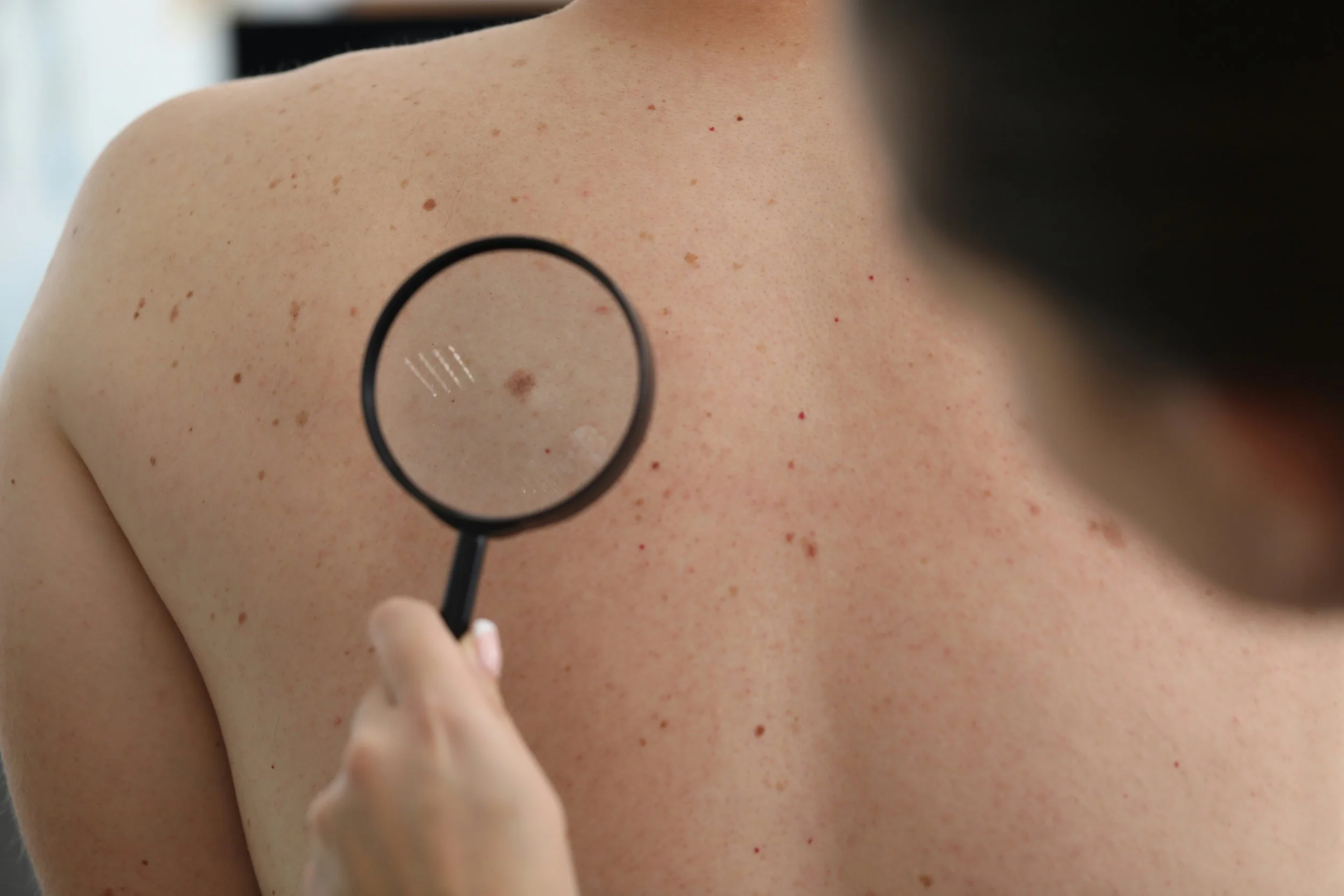
Mole mapping is a specialised skin surveillance service that uses clinical and dermoscopic photography to record moles and skin lesions across the body. These images are securely stored and compared over time to detect new lesions or subtle changes that may indicate skin cancer at its earliest stage.
Unlike a one-off skin check, mole mapping allows doctors to track changes that may not be obvious to the naked eye.
What is Mole Mapping?
Our Services
-
$230
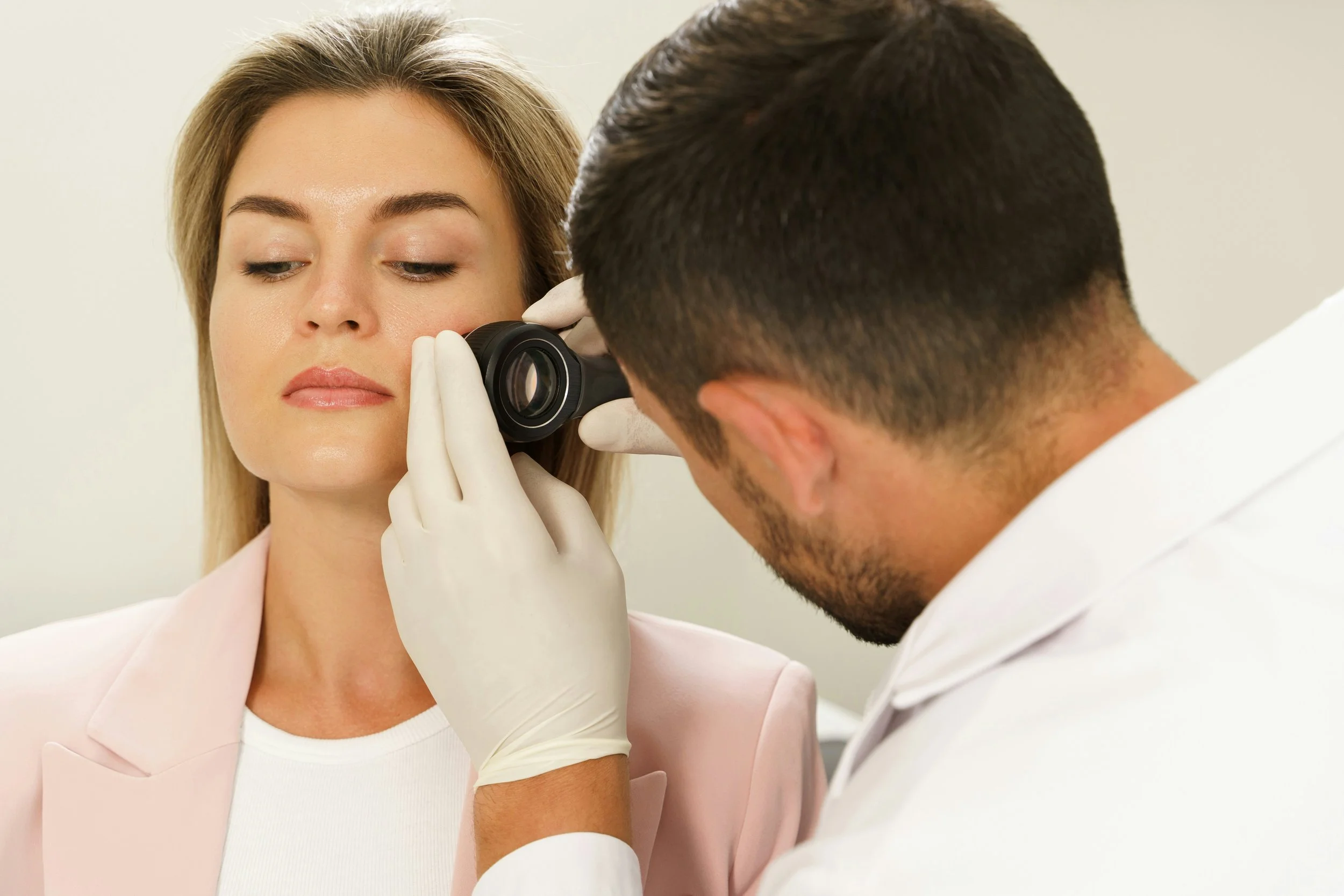
Full-body mole mapping uses high-resolution photography to document a complete visual record of your skin. These images are securely stored and compared over time, helping detect new lesions or subtle changes that may indicate early skin cancer.This service is offered as a comprehensive package, which includes:
Dermoscopy imaging for detailed assessment of individual moles
A GP consultation with a full-body skin check
A personalised follow-up and treatment plan, based on your results
Full-body mole mapping is especially valuable for patients with numerous moles or those at higher risk.
-
$$ Pricing may vary
For surgical excisions pricing may vary and in some situations we may be able to access funding for the cost of the surgical treatment through the DHB.
If a lesion requires removal, a minor surgical excision can often be performed in-clinic. This involves removing the lesion under local anaesthetic and sending it for laboratory analysis if required.Excision may be recommended when:
A lesion appears suspicious for skin cancer.
There are concerning changes over time.
A diagnosis is required to guide treatment.
A punch biopsy costs $50
A minor surgical excision is $350
A major surgical excision costs may vary depending on complexity.
Management & Treatment
If a mole or skin lesion is identified as concerning during a skin check or mole mapping appointment, a clear management plan will be discussed with you. This may include monitoring, treatment, or removal, depending on the clinical features and level of concern.
Our focus is on early detection, appropriate management, and patient reassurance, while avoiding unnecessary procedures where possible.
FAQs
-
Common signs include changes in size, shape, colour, itching, bleeding, or a new mole that looks different from your others.
-
Not always — many irregular moles are benign. A proper skin check helps determine whether further action is needed.
-
It’s recommended if you have many moles, a personal/family history of skin cancer, fair or sun-sensitive skin, or if your moles change frequently.
-
Most adults benefit from annual checks. If you have a history of skin cancer, lots of moles, or high sun exposure, you may require more frequent monitoring.
-
You’ll receive local anaesthetic to minimise discomfort. Most patients feel only slight pressure during
the procedure. -
All images are:
Stored securely on encrypted systems
Used only for your medical care
Accessible only to authorised clinical staff
Patient confidentiality and data security are a top priority.
-
Mostly yes, but it depends on your insurance policy.
Your Skin Health Matters.
Book your appointment today for
peace of mind.